
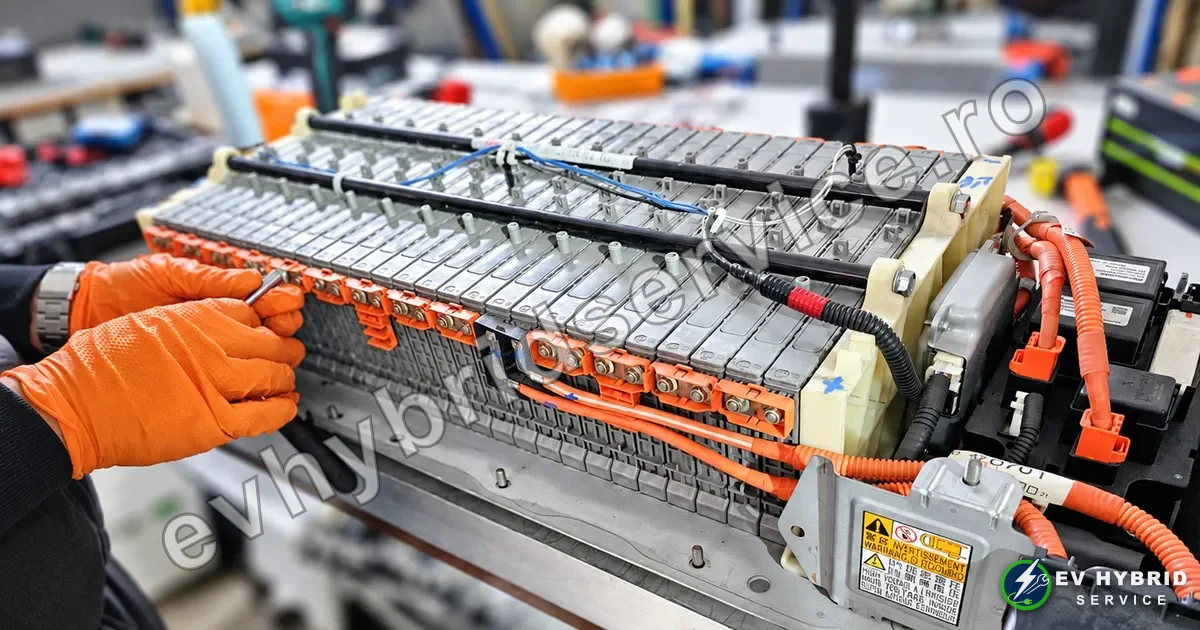
Workshop job ·
Toyota Prius III with code P0A80 and no READY: how we tested the high-voltage battery and found the real cause, the 12 V battery
A 2012 Prius III came in on a recovery truck, its dash full of warning lights and code P0A80, which calls for a new hybrid battery. The owner was braced for the worst. Yet the hybrid battery was in very good health: the culprit was the small 12 V battery.
- the code that had frightened the owner: a false one
- P0A80the code that had frightened the owner: a false one
- the auxiliary battery, the real cause
- 12 Vthe auxiliary battery, the real cause
- the hybrid battery’s state at the capacity test
- Very goodthe hybrid battery’s state at the capacity test
- from diagnosis to handover
- 24 hfrom diagnosis to handover
The problem
A 2012 Toyota Prius III arrived on a recovery truck: it would not start, would not go READY and its dash was full of warning lights. Its memory held code P0A80, “Replace Hybrid Battery Pack”.
The diagnosis
The code was false, set off in a chain. The auxiliary 12 V battery was discharged far below spec, and the unstable voltage had led the car’s computers to report a hybrid battery fault that was not there.
The fix
At the owner’s request we ran a full capacity test on the hybrid battery, cleaned its terminals and cooling fan, then fitted a new 12 V battery.
The result
The hybrid battery proved to be in very good health. P0A80 and the other faults are gone, and the car goes READY at once. 24 hours.
A code that sounds like a new battery
The Prius, a 2012 third generation, reached us on a recovery truck. It would not start at all, would not go READY, and its dash was full of warning lights. The owner arrived worried: a code read earlier, P0A80 (Replace Hybrid Battery Pack), had convinced the owner the traction battery was finished and had to be replaced outright.
Our diagnosis showed something else. The auxiliary 12 V battery was discharged far below spec. Without a stable voltage on the 12 V network, the car’s computers had become confused and were wrongly reporting a hybrid battery fault. Code P0A80 was a false one, set off in a chain.
The job, step by step
Step 1
Take out the hybrid battery
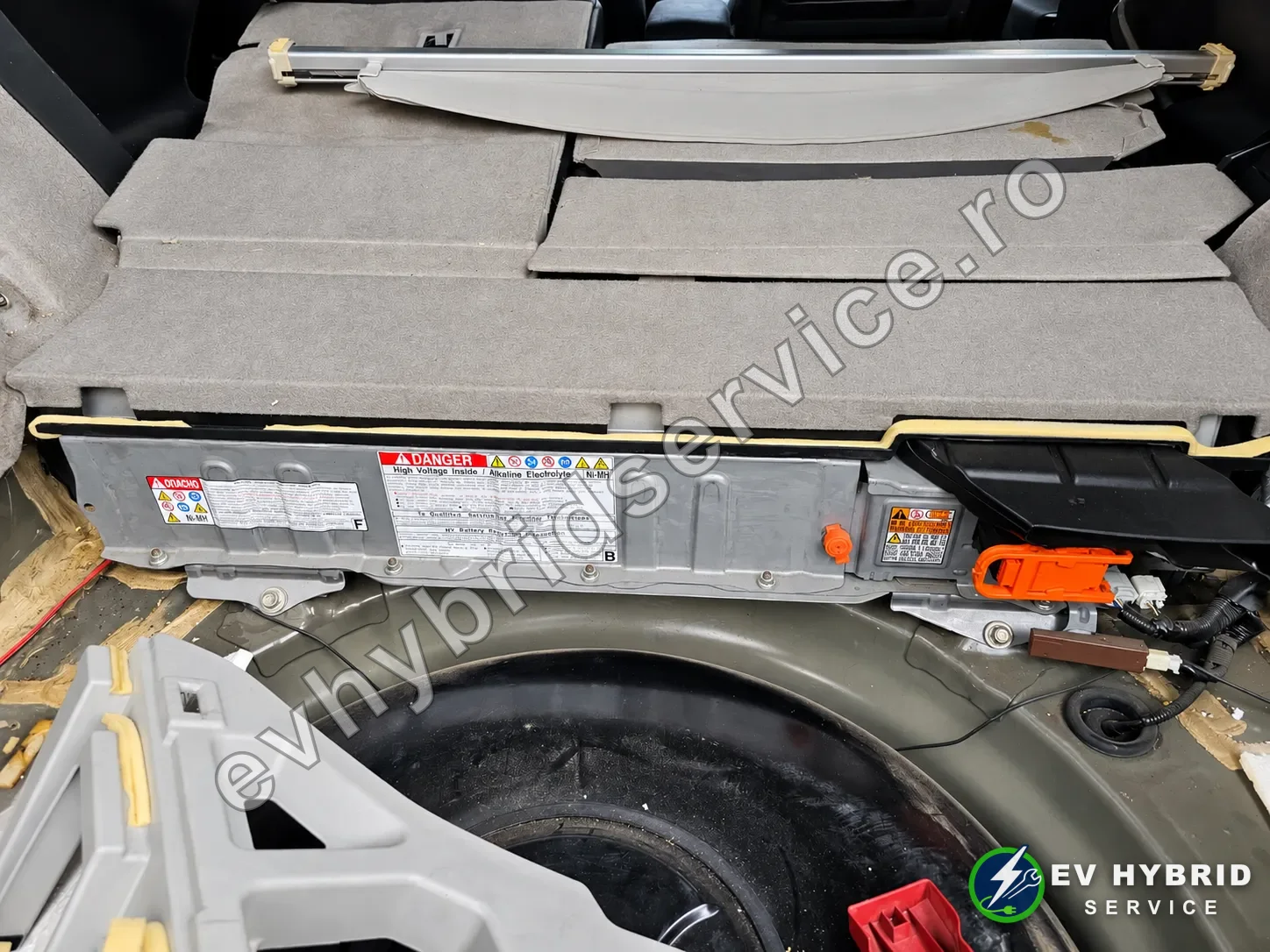
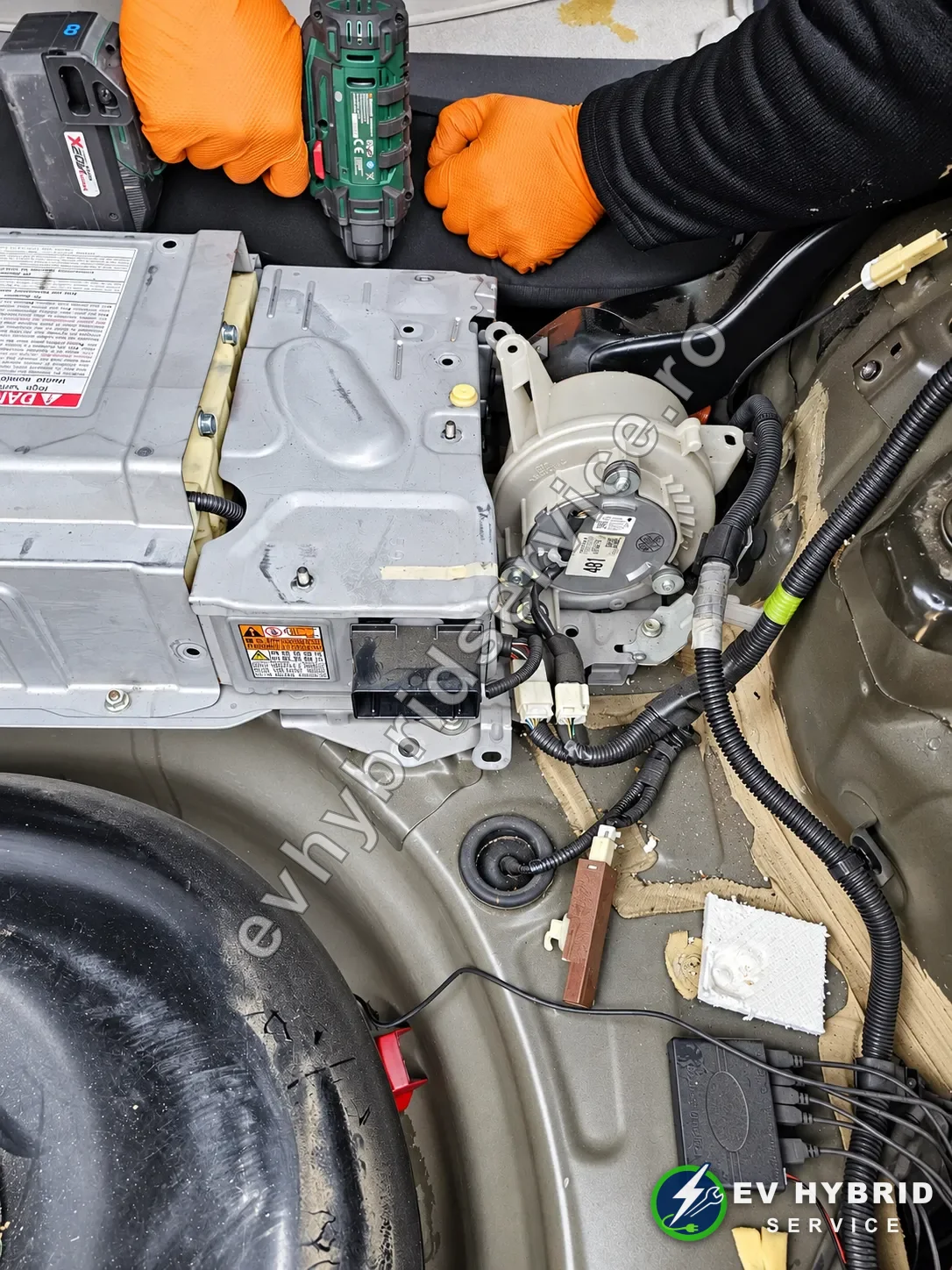
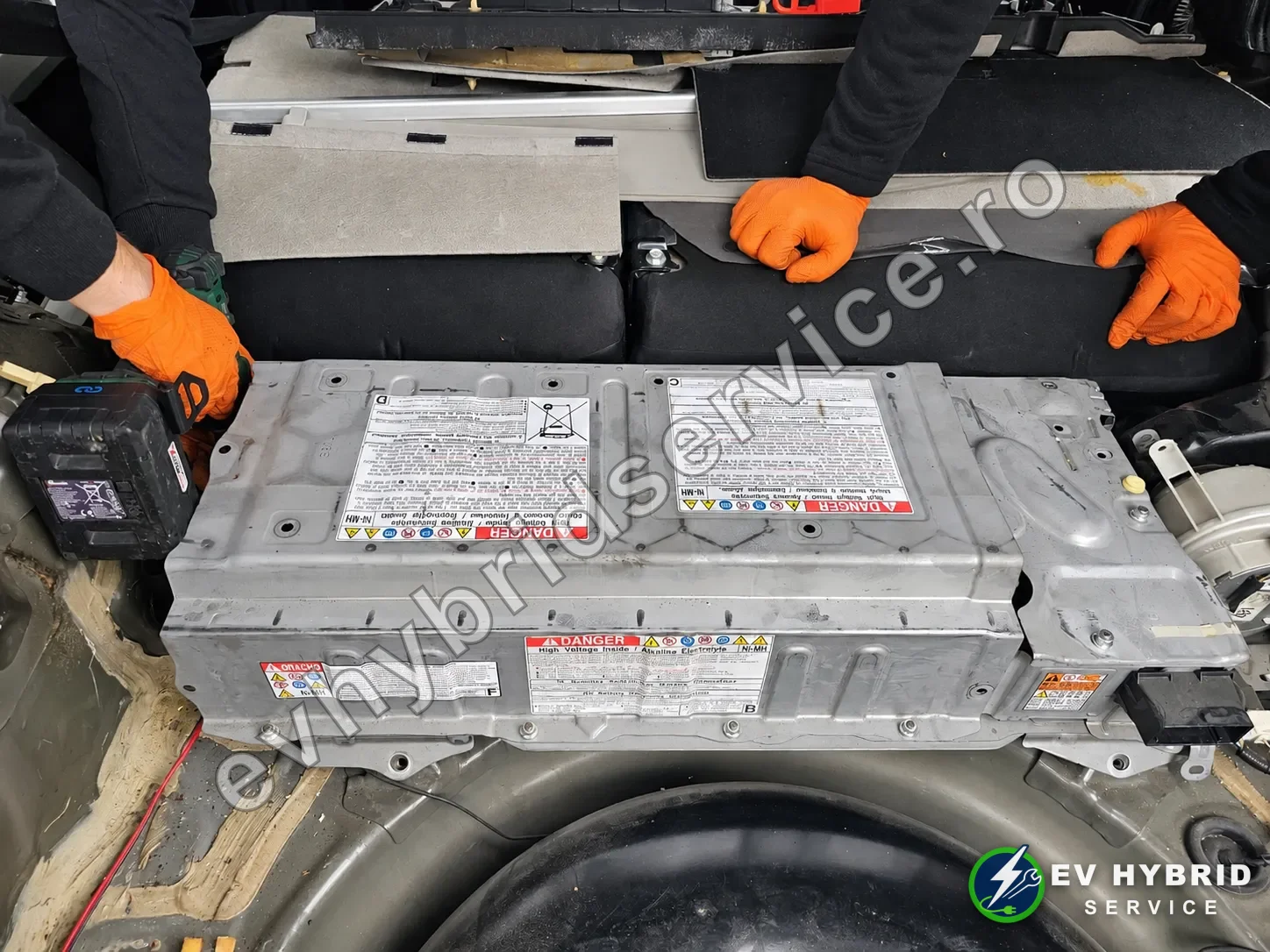
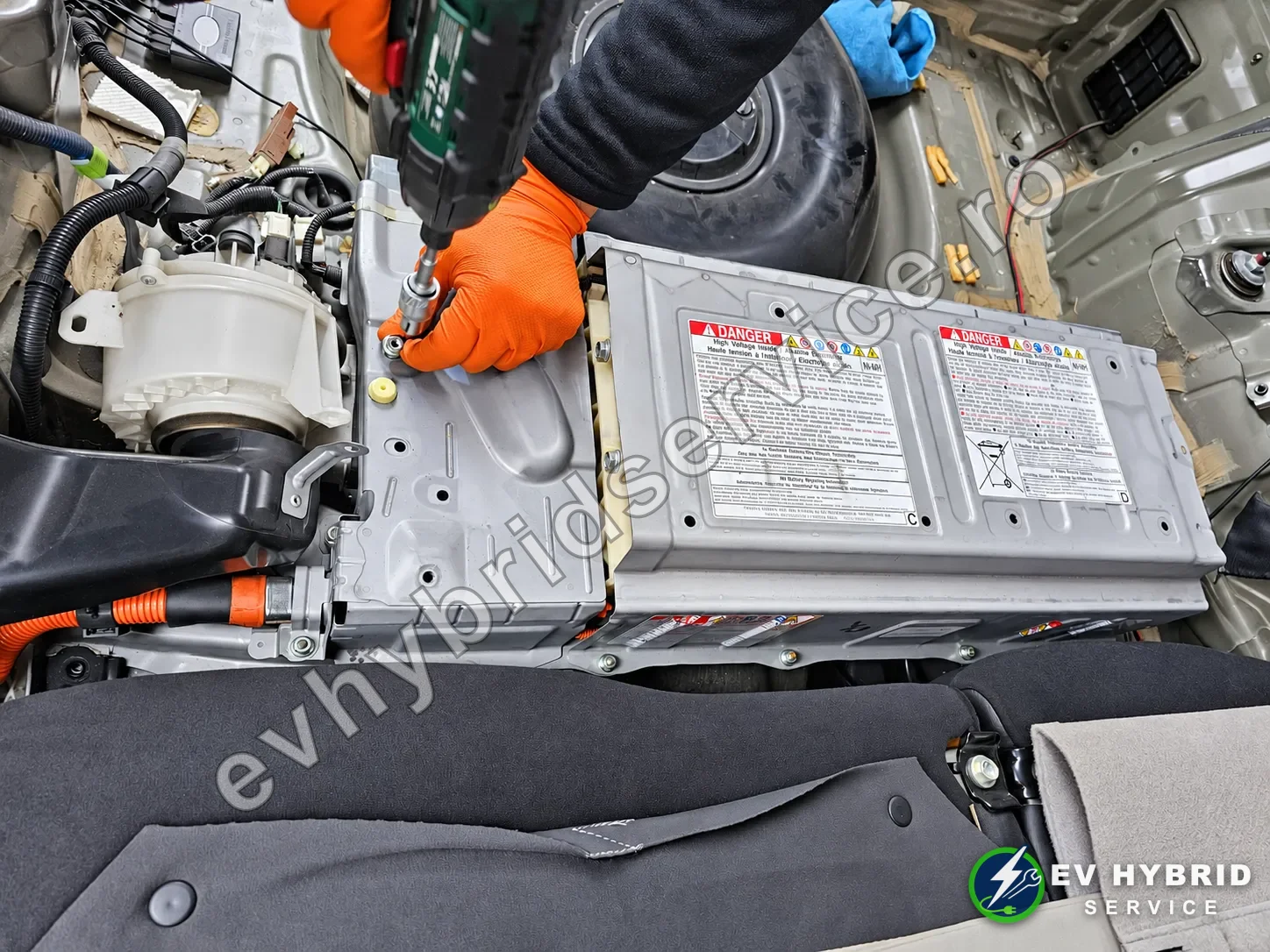
The owner asked us to check the high-voltage battery anyway, so they could leave without any doubt. We took it out of the car, from under the boot floor.
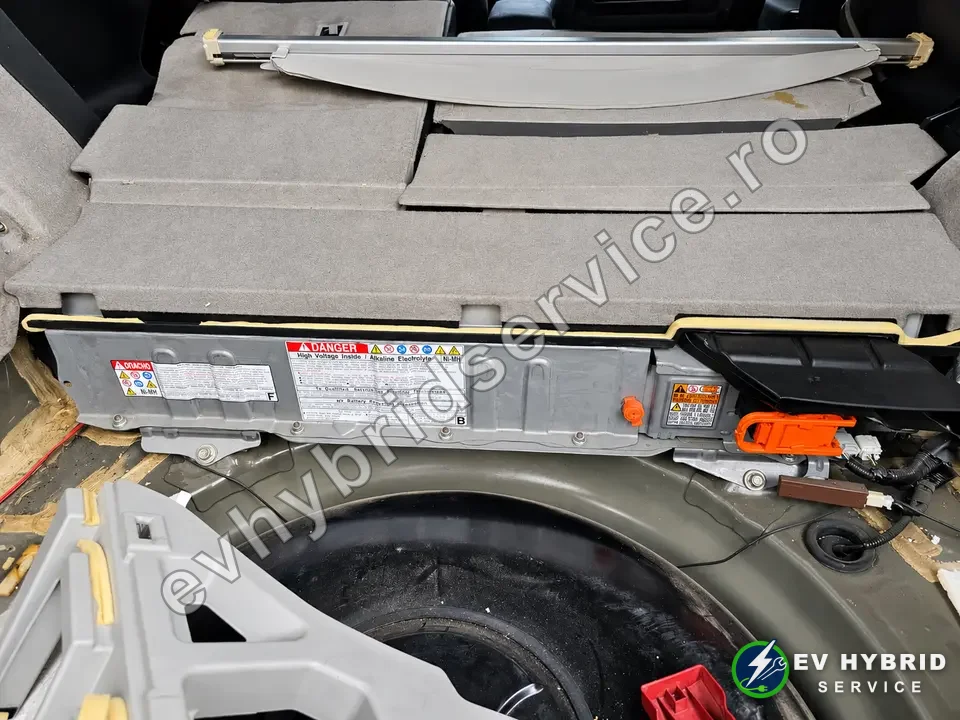
The high-voltage battery in place, under the boot floor. 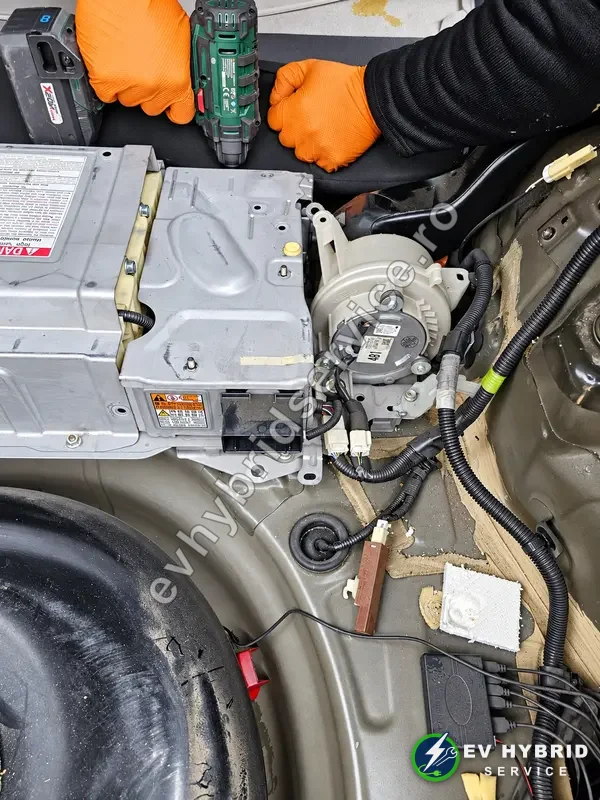
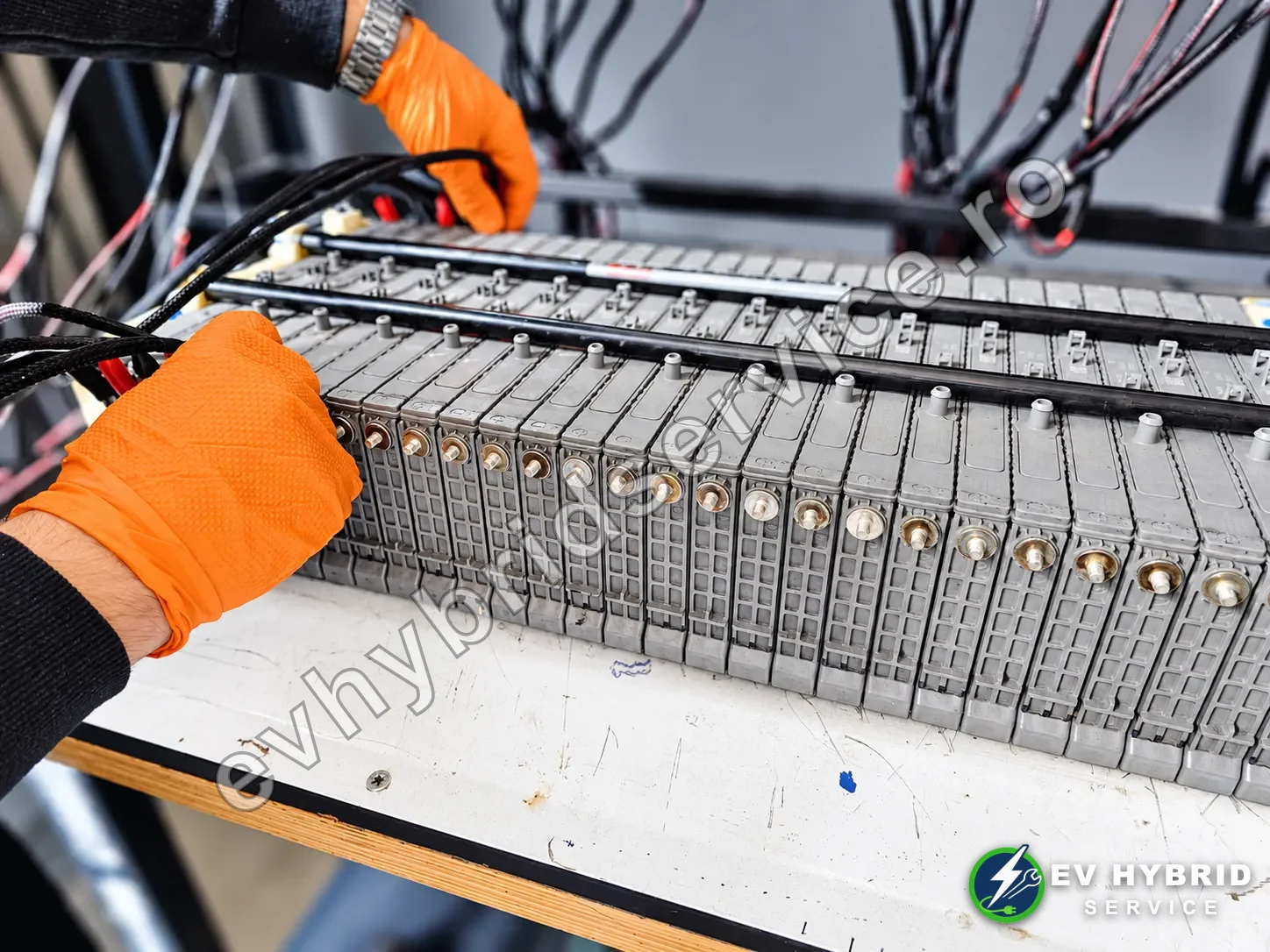
Undoing the battery mountings, with the cooling fan alongside. 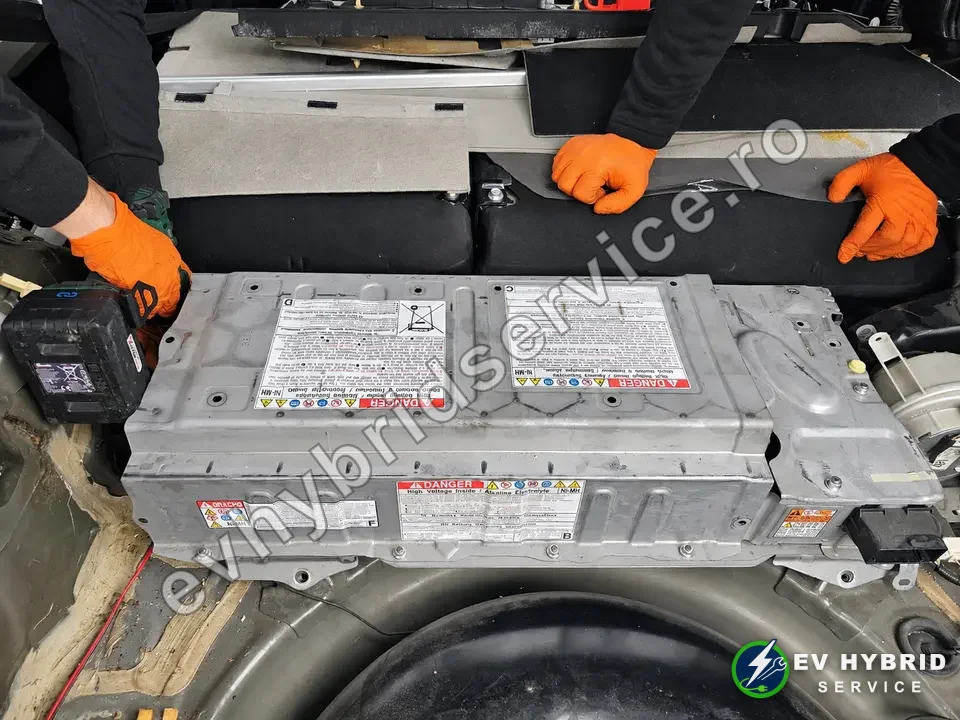
The battery sits right behind the rear seat. Step 2
A full capacity test
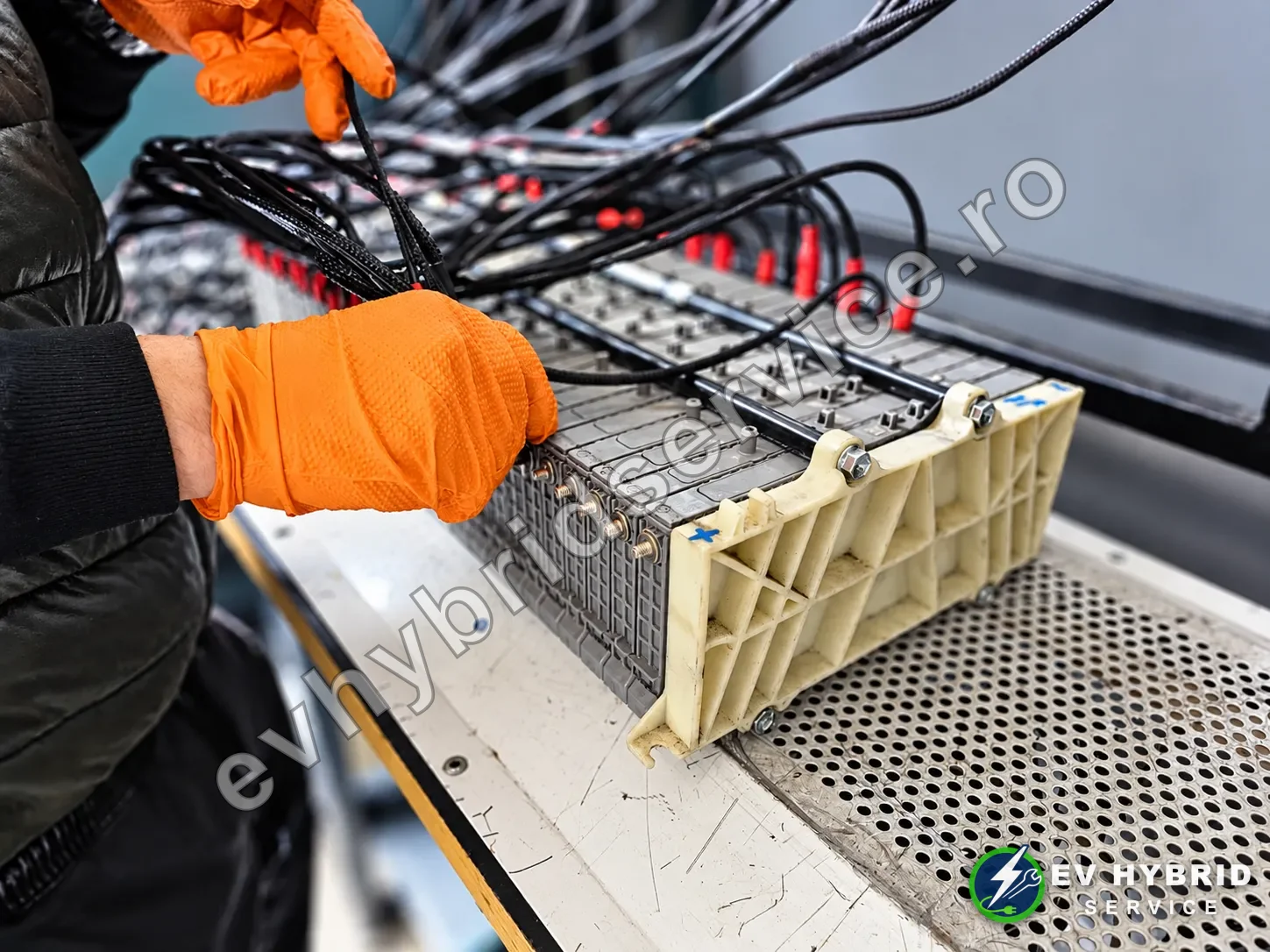
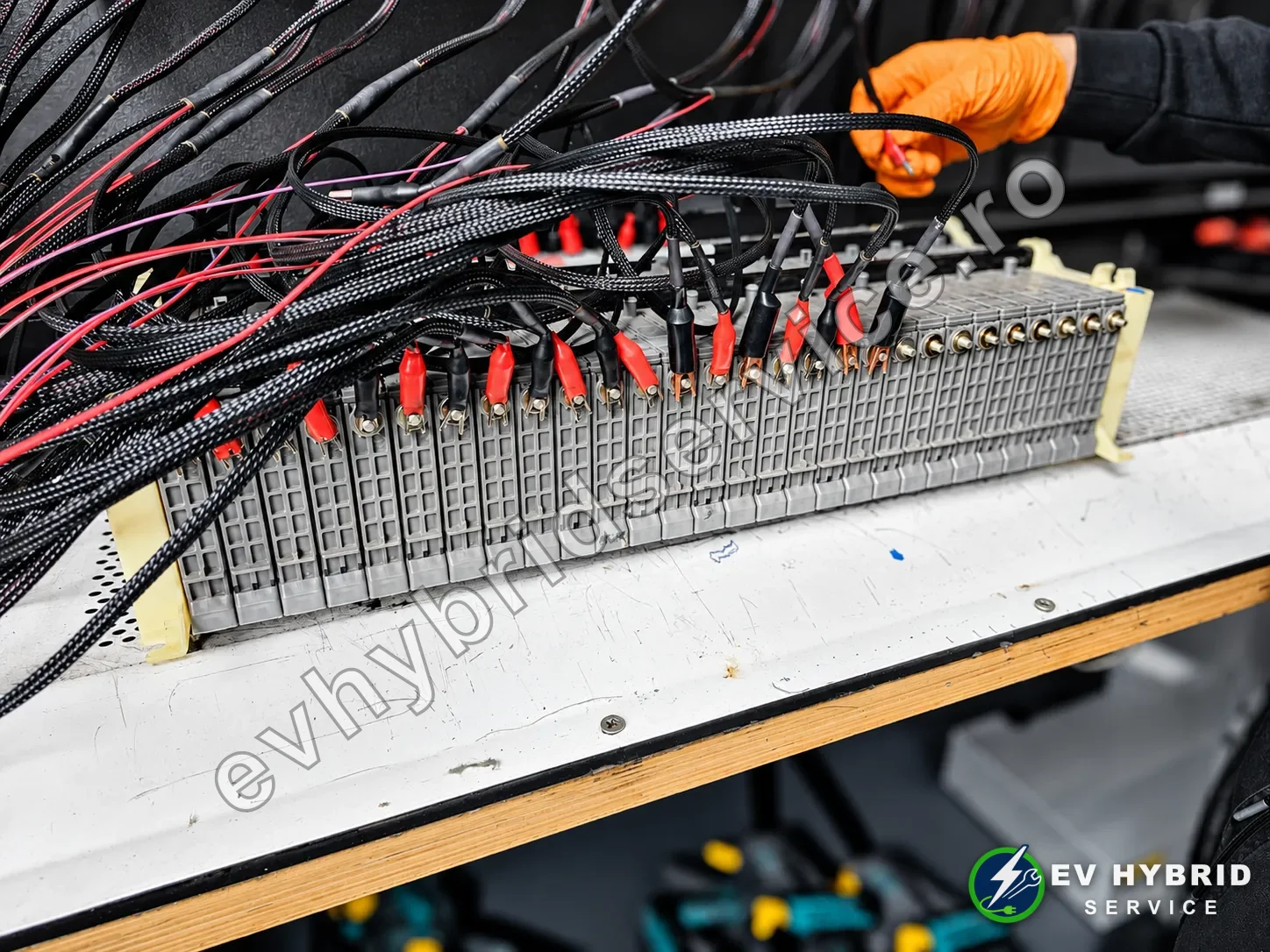
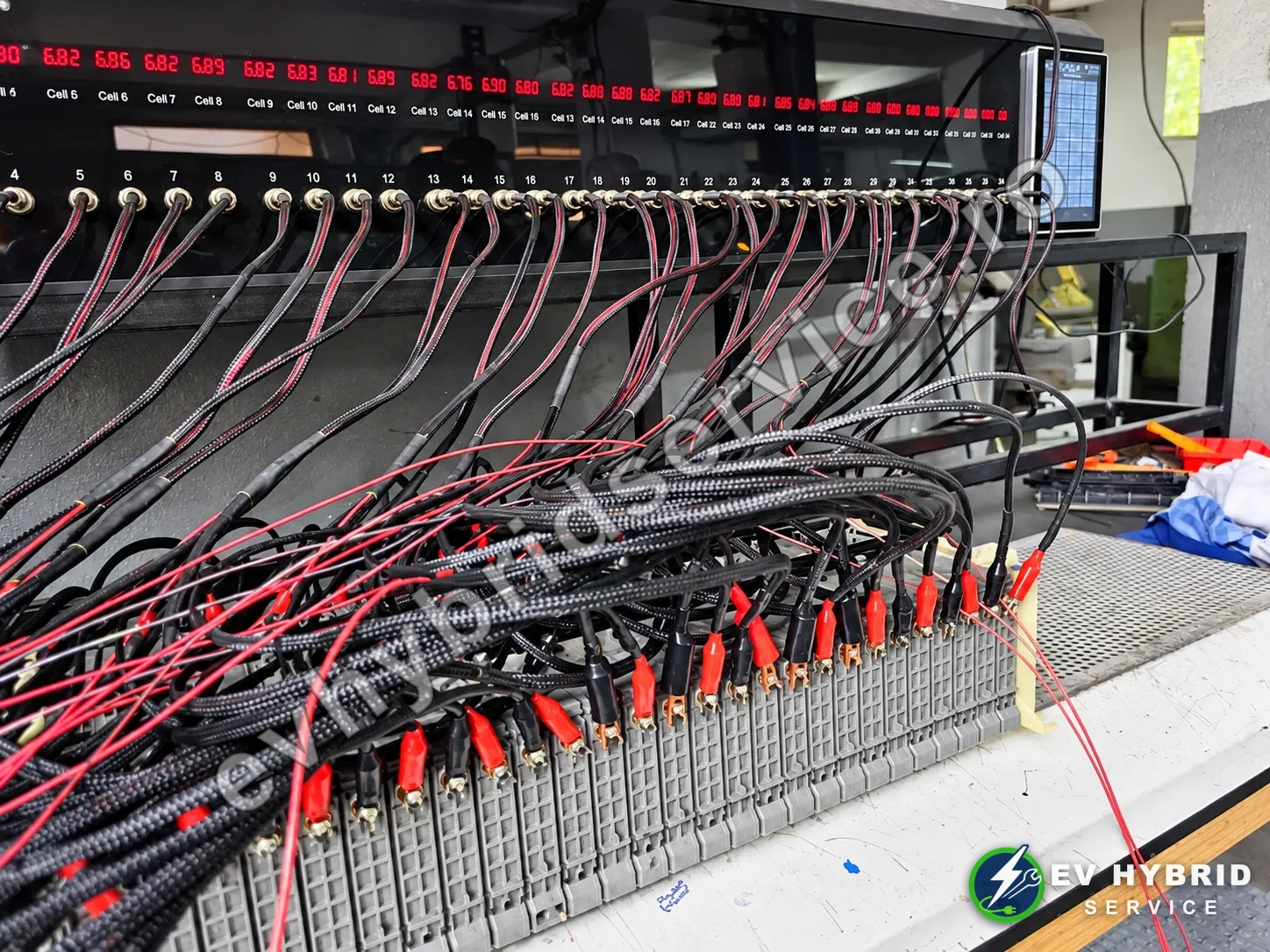
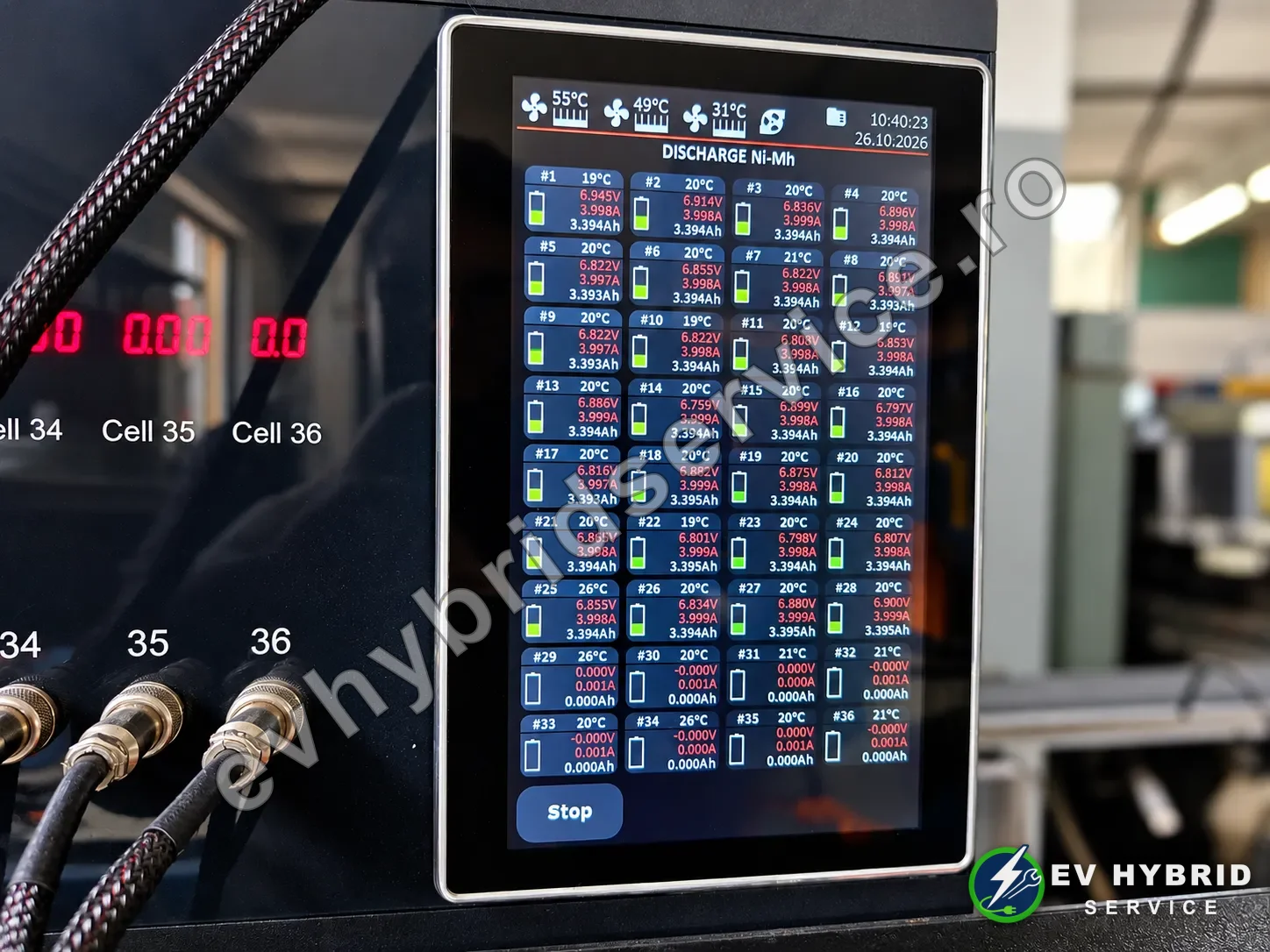
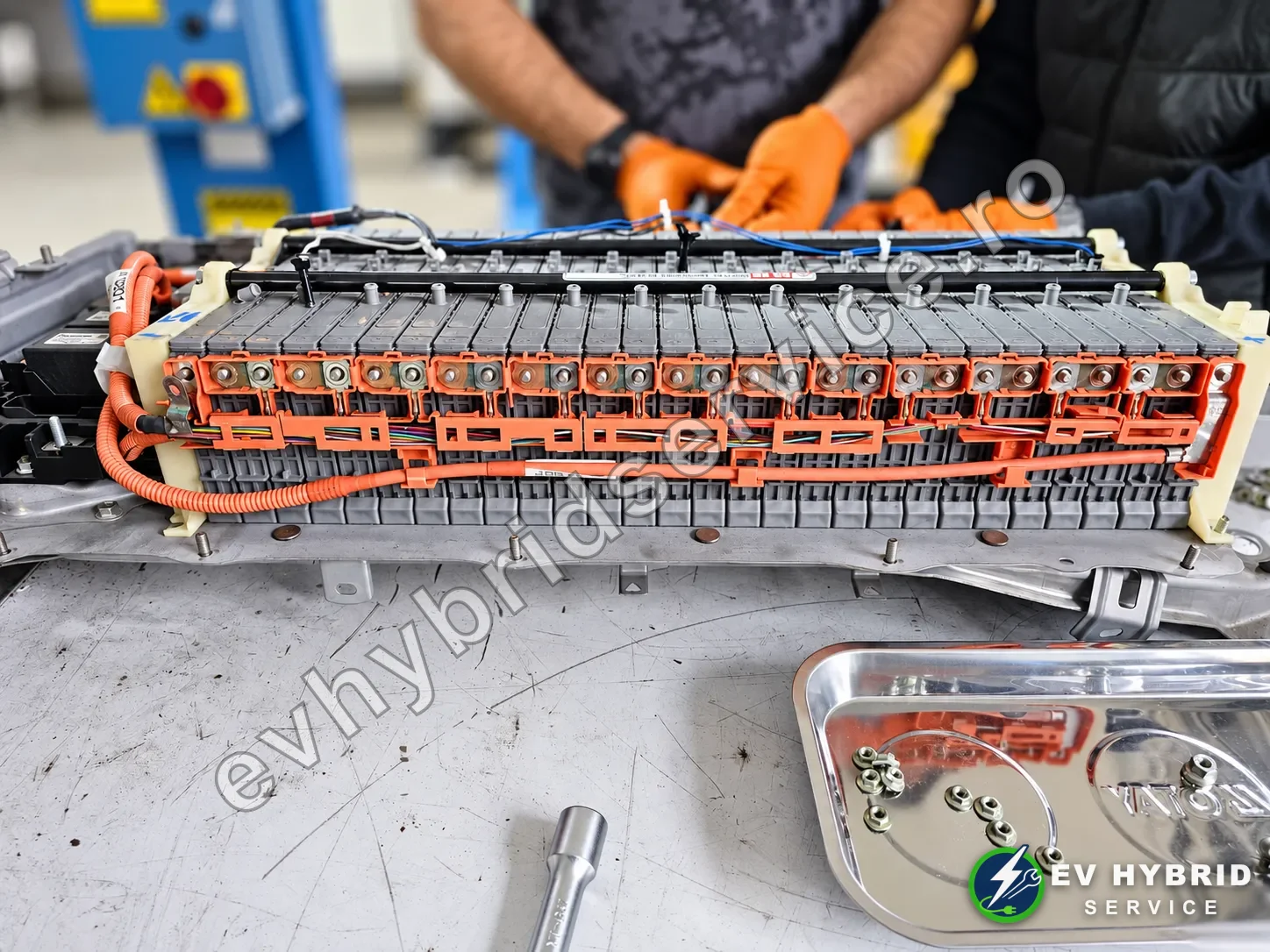
We wired every module to the test bench and put the battery through a full capacity test. The result was excellent: the hybrid battery is in very good health and its modules are perfectly balanced.
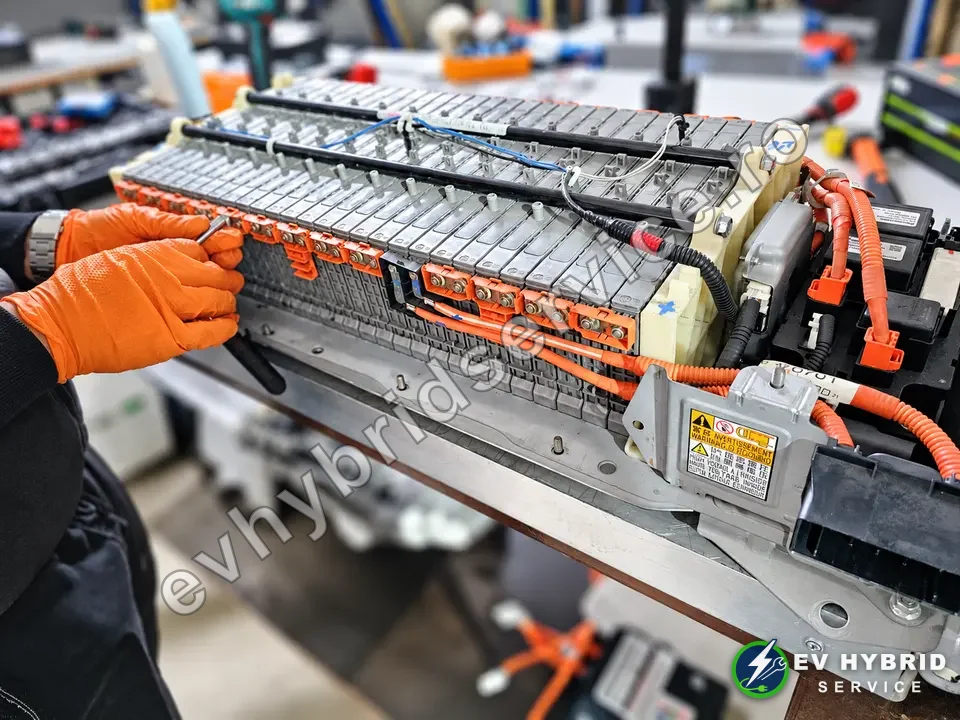
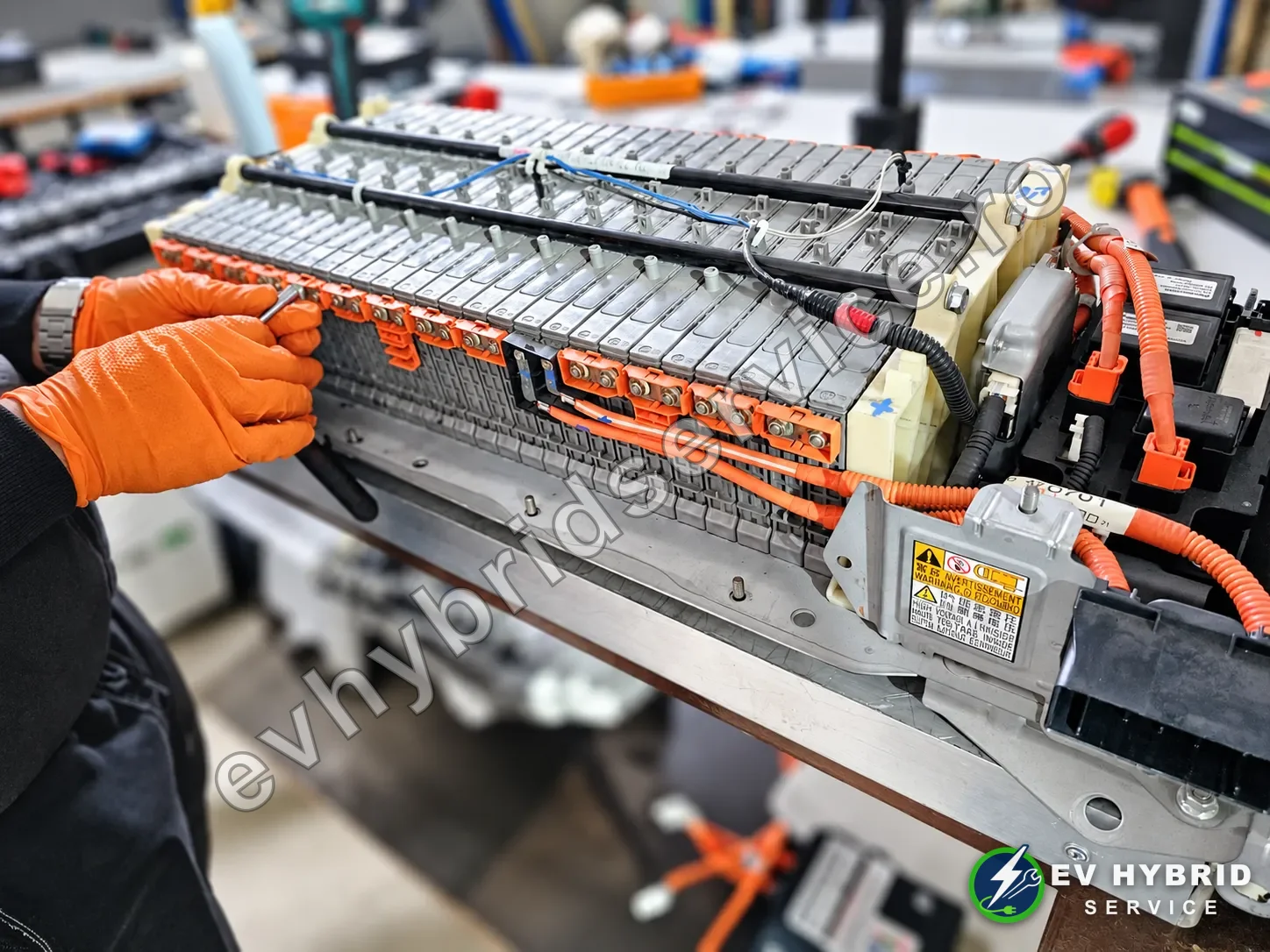
The battery out of the car, on the workshop bench. 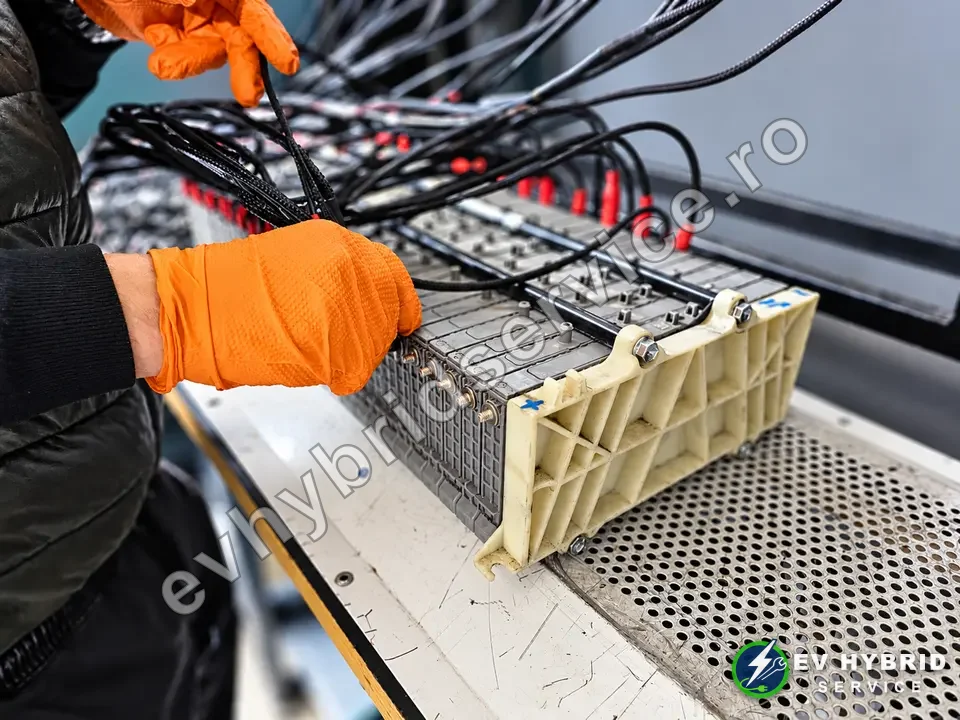
Wiring every module to the test bench. 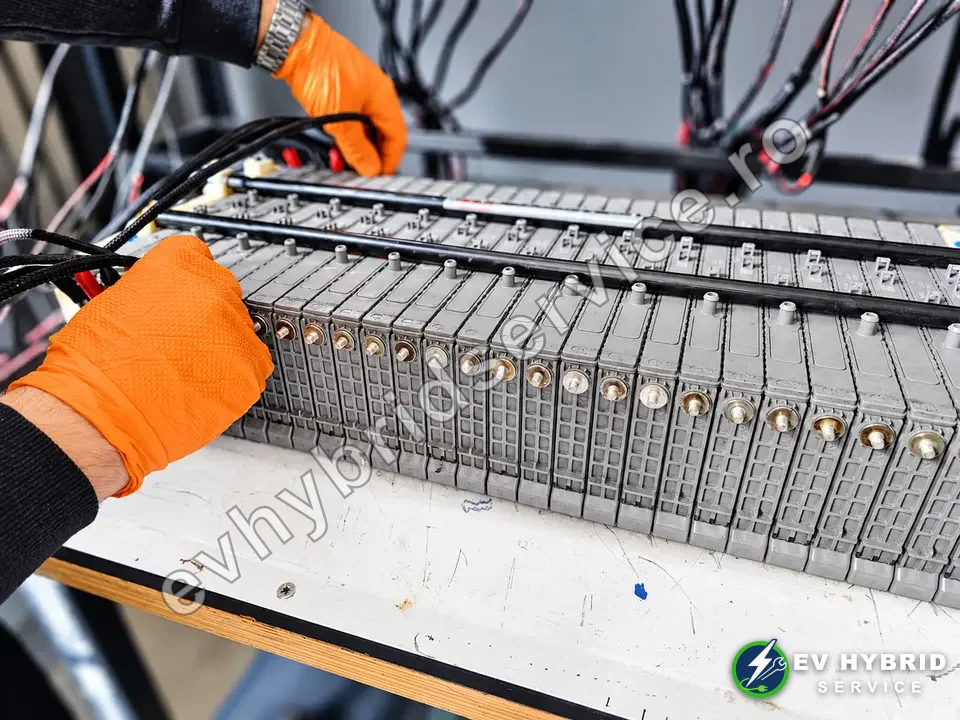
Each module gets its own lead, so we can measure it on its own. 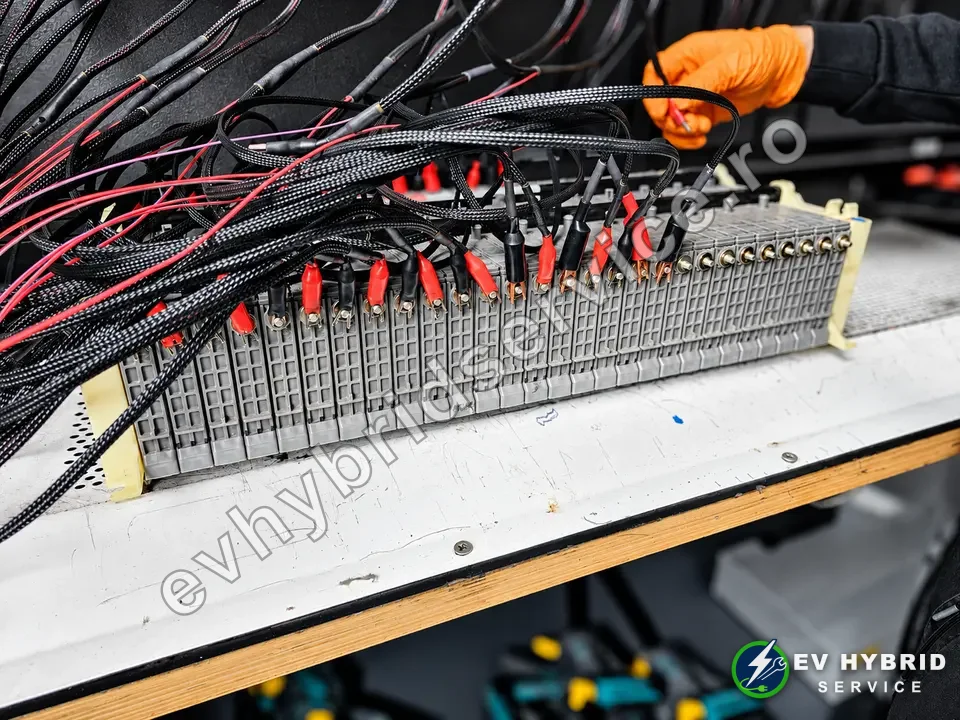
Every module connected, ready for the capacity test. 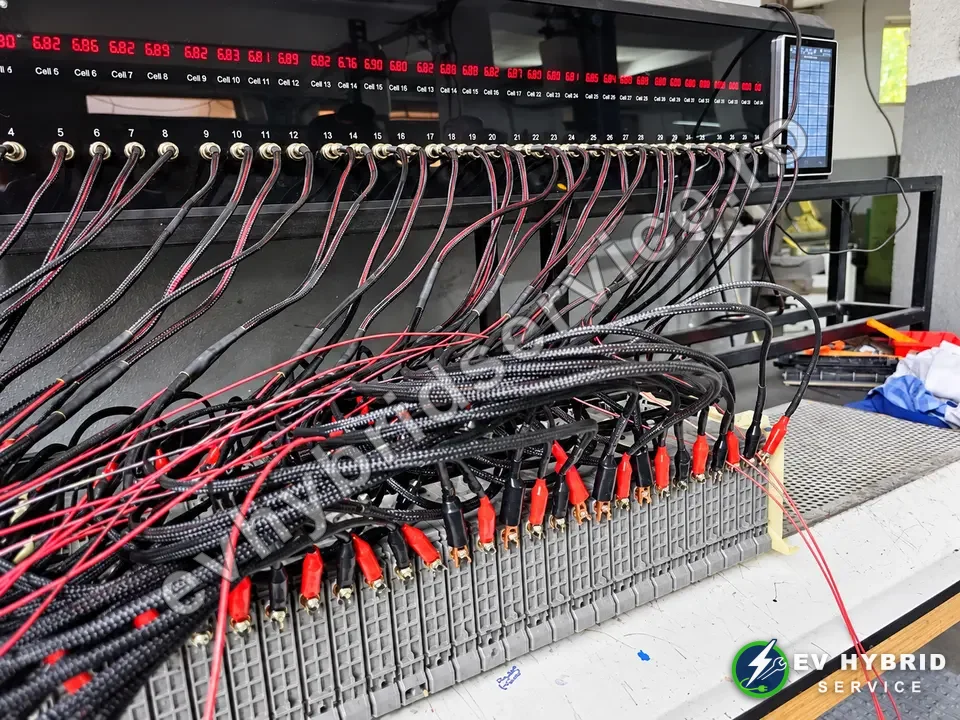
The test bench: each module has its own channel and display. 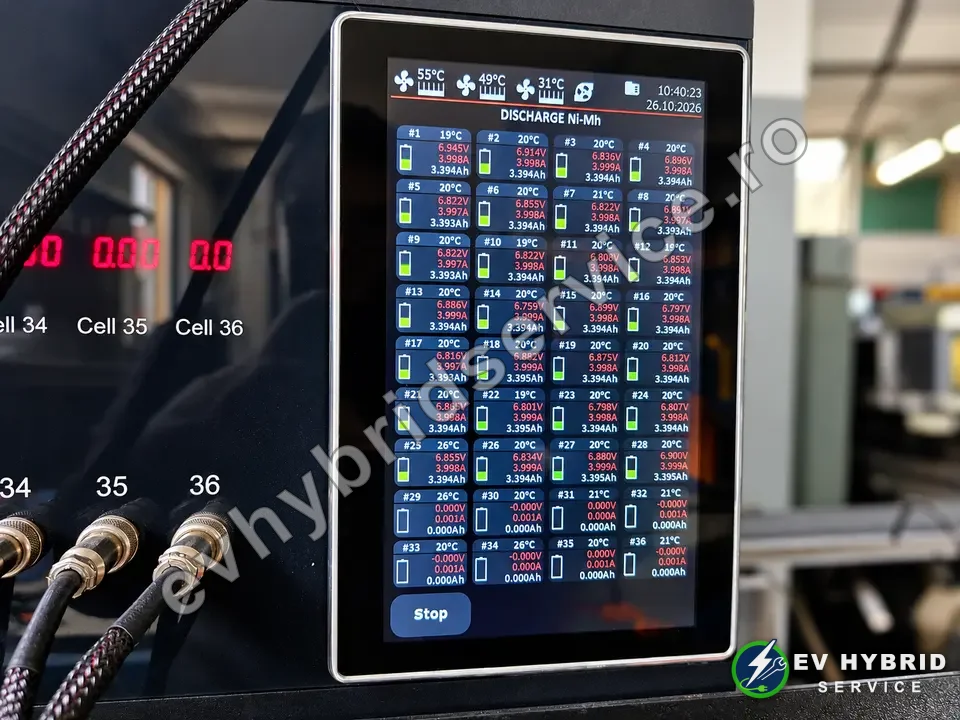
The capacity test under way: a controlled discharge, followed module by module. Step 3
Terminals and fan
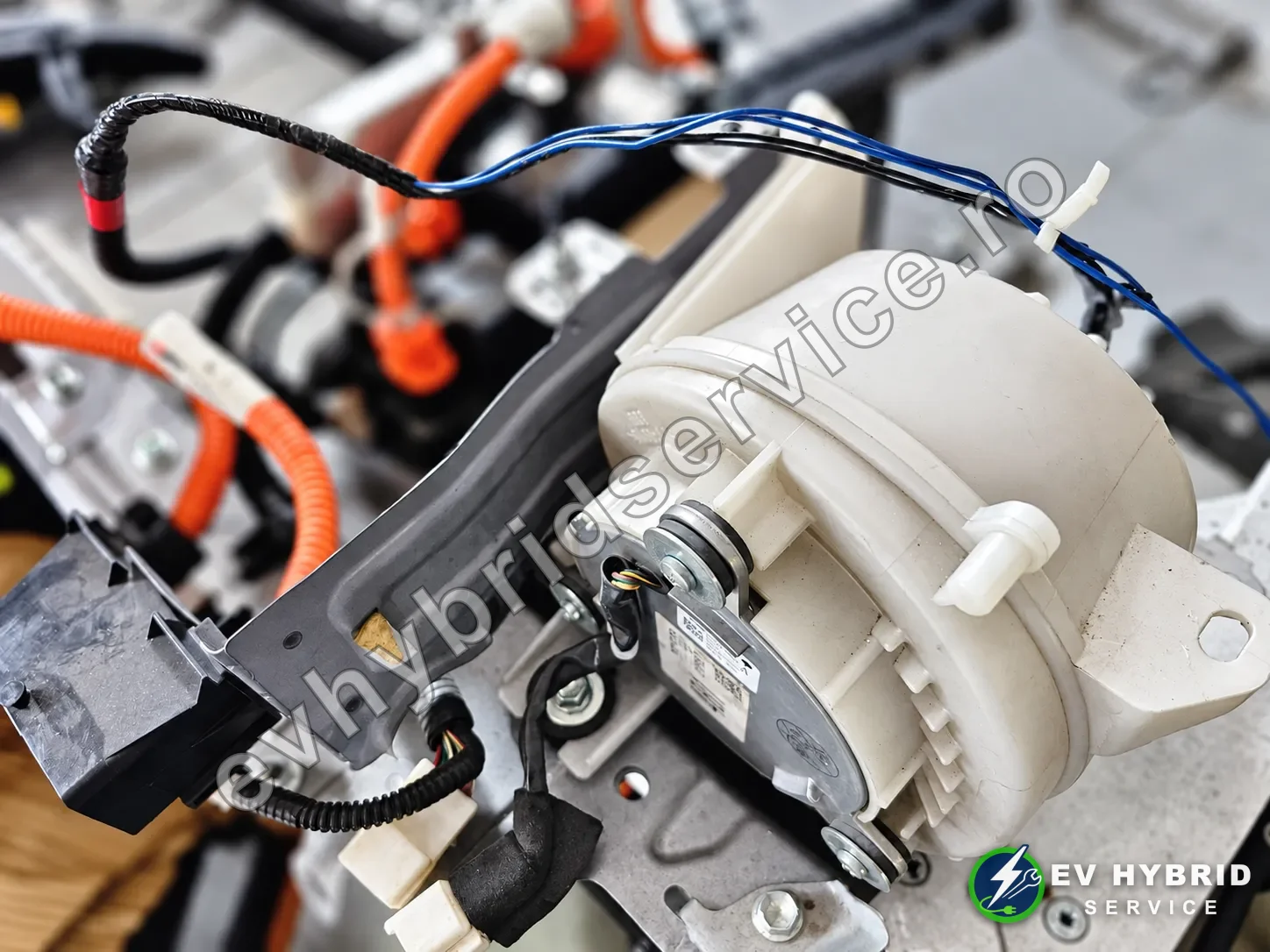
With the battery out, we also did a preventive service: we cleaned the terminals and the cooling fan. In our experience, dust collected in the fan is one of the most common reasons Toyota batteries overheat, and cleaning it adds a great deal to the battery’s life.
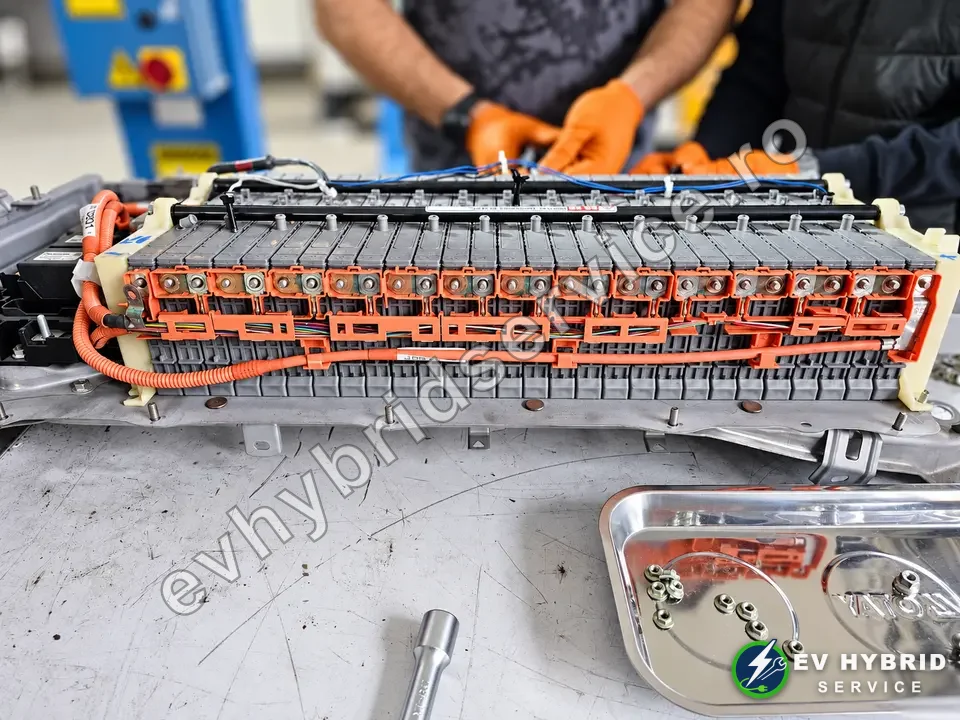
Working on the battery’s terminals and bus bars. 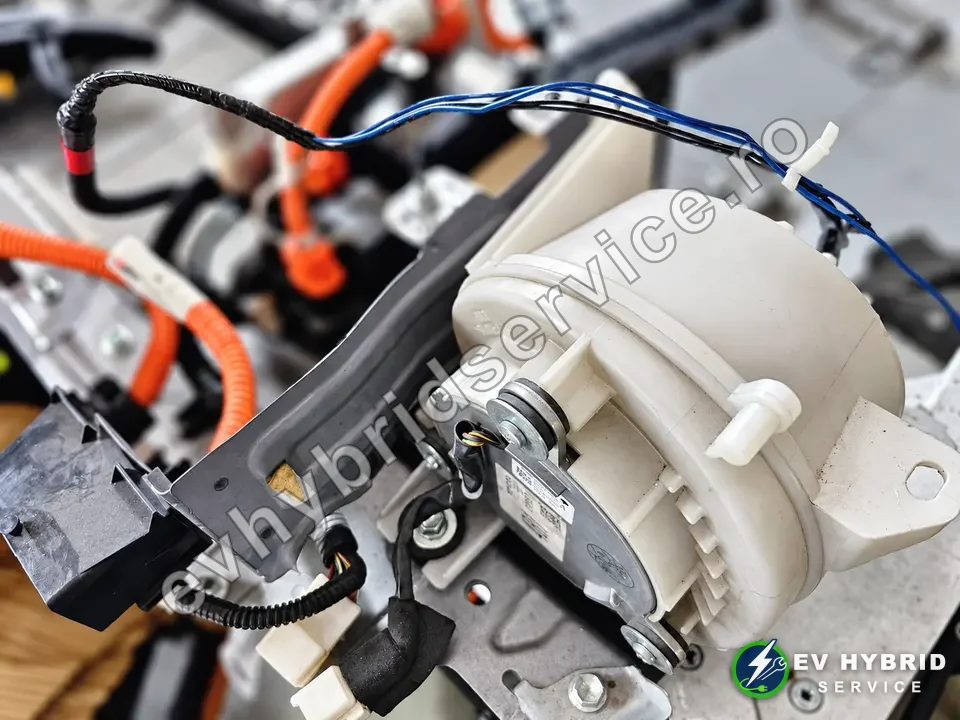
The fan that cools the battery, removed for cleaning. Step 4
Refit the hybrid battery
We put the high-voltage battery back in place, with the cleaned fan.
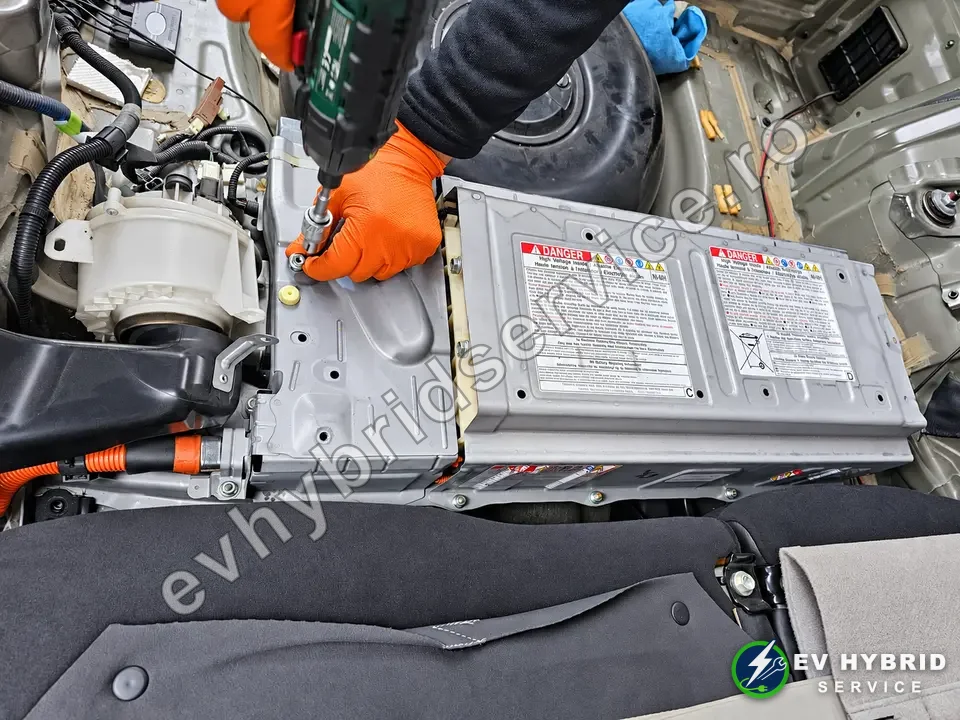
The battery goes back in place, with the cleaned fan. Step 5
A new 12 V battery
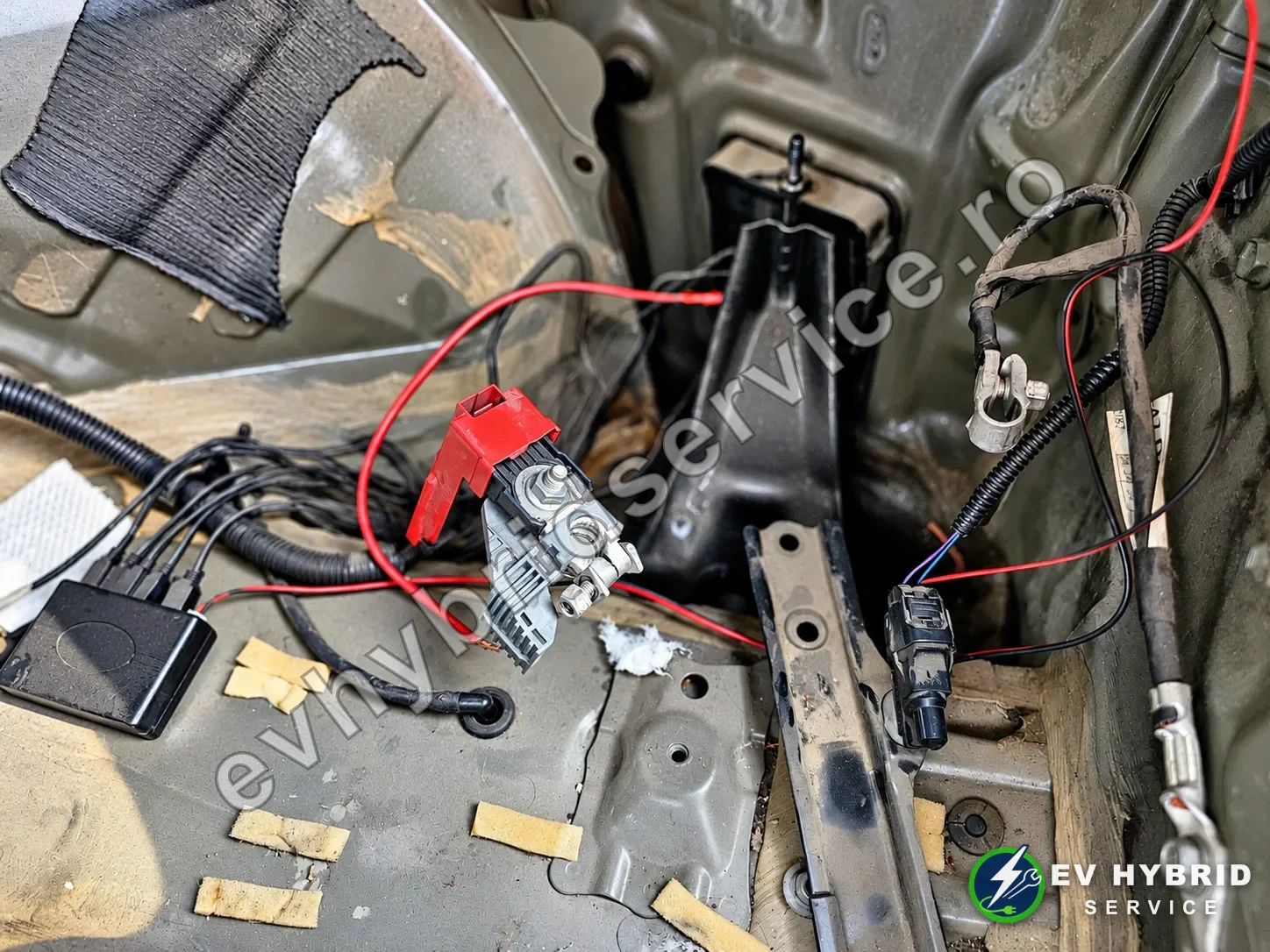
We then fitted a new auxiliary 12 V battery in place of the discharged one.
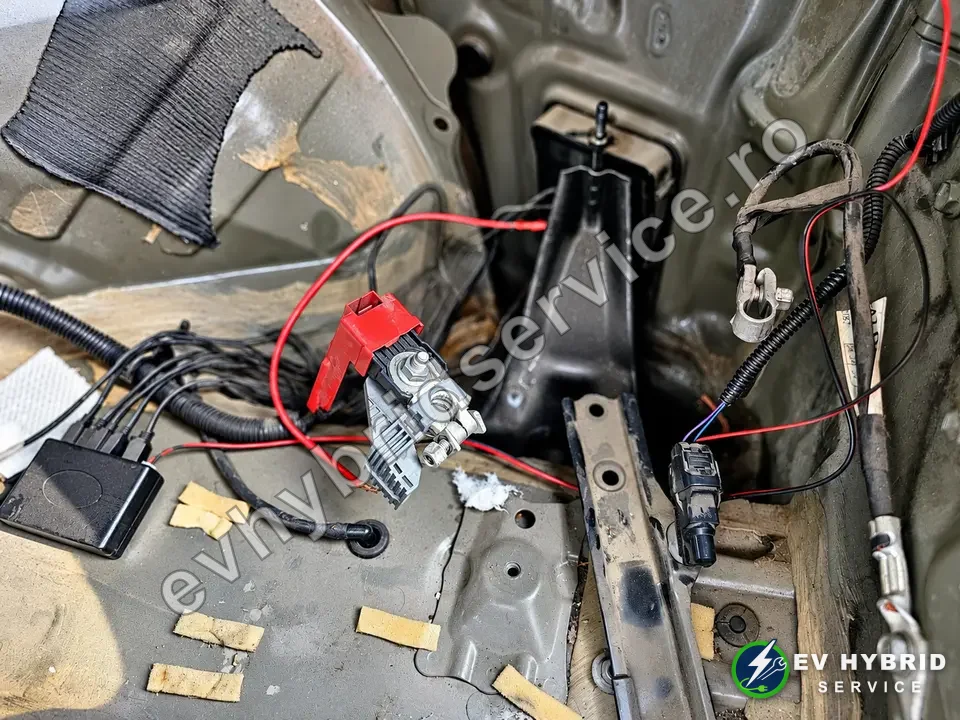
The 12 V battery bay in the boot, with the battery out: the red clamp of the positive terminal and the cables. 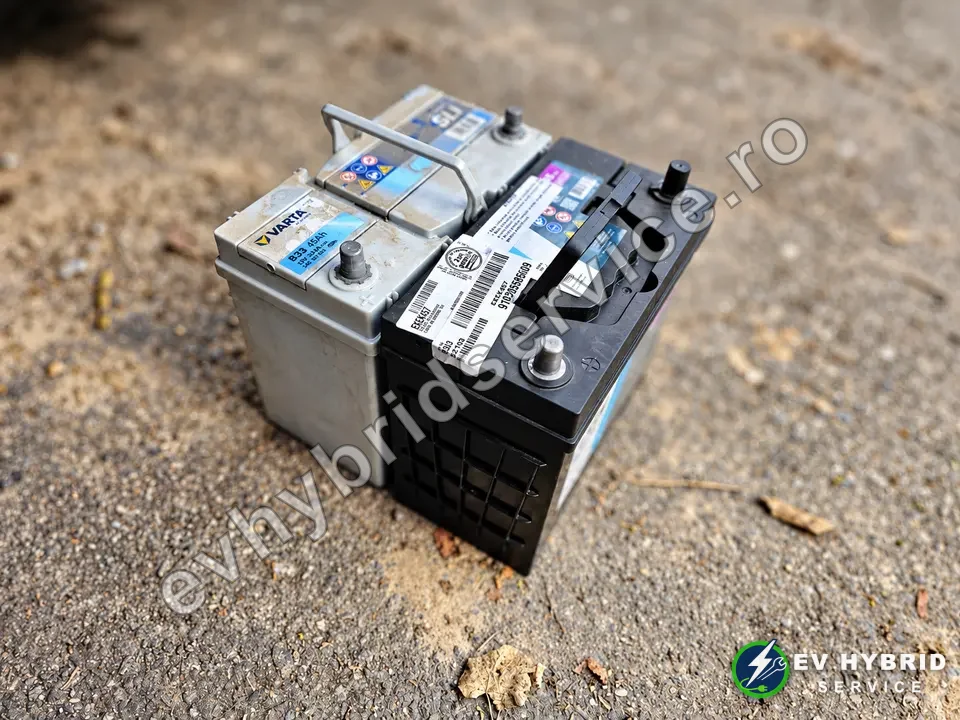
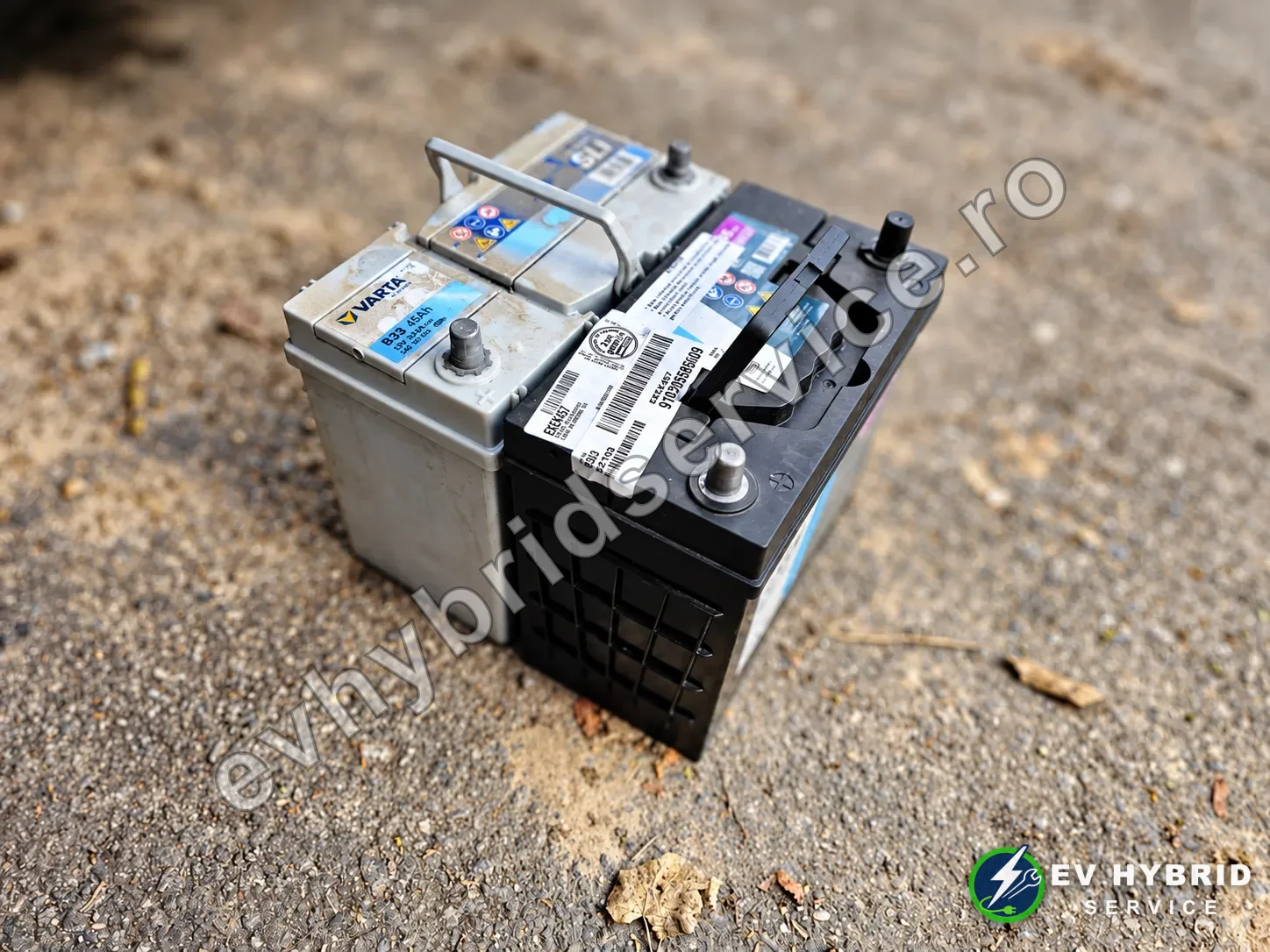
The auxiliary 12 V batteries. Step 6
Final diagnosis
At the post-repair diagnosis, P0A80 and every other fault were gone. The voltages are stable, the car goes READY at once and the hybrid system works faultlessly. It all took 24 hours, and the owner was spared a new hybrid battery they did not need.
Before and after
When it came in
- Brought in on a truck
- Would not go READY
- Dash full of warning lights
- Code P0A80 in memory
At handover
- New 12 V battery
- Hybrid battery tested: very good health
- Terminals and fan cleaned
- READY at once, no faults
Signs the 12 V battery may be to blame
- Many warning lights come on at once, not just the hybrid system one
- The car will not go READY, especially after standing for a few days
- The dash lights up dimly or resets at start-up
- The faults appear suddenly, with no warning signs beforehand
Have you read code P0A80 and been told the hybrid battery must be replaced? Before you pay for a new battery, we test it and tell you for certain what is wrong.
Book a battery test →Frequently asked questions
Does code P0A80 mean the hybrid battery must be replaced?
Not necessarily. P0A80 shows the system has noticed a problem with the hybrid battery, but the cause can lie elsewhere: a weak 12 V battery, as here, a clogged cooling fan or a few weak modules. Only a battery test shows whether a repair is needed, and what kind.
How can I tell if the 12 V battery is to blame?
A good clue is many warning lights coming on at once and the car refusing to go READY, especially after standing. A measurement of the 12 V battery and a full diagnosis quickly make things clear.
Why clean the fan if the hybrid battery was healthy?
Because the battery was already out, and dust in the fan is one of the most common reasons Toyota batteries overheat. Cleaning it in good time helps the battery stay healthy for as long as possible.
Photos from the job
Tap a photo to see it full size; use the arrows to browse.
The high-voltage battery in place, under the boot floor.
Undoing the battery mountings, with the cooling fan alongside.
The battery sits right behind the rear seat.
The battery out of the car, on the workshop bench.
Wiring every module to the test bench.
Each module gets its own lead, so we can measure it on its own.
Every module connected, ready for the capacity test.
The test bench: each module has its own channel and display.
The capacity test under way: a controlled discharge, followed module by module.
Working on the battery’s terminals and bus bars.
The fan that cools the battery, removed for cleaning.
The battery goes back in place, with the cleaned fan.
The 12 V battery bay in the boot, with the battery out: the red clamp of the positive terminal and the cables.
The auxiliary 12 V batteries.
Read next
Battery repairs
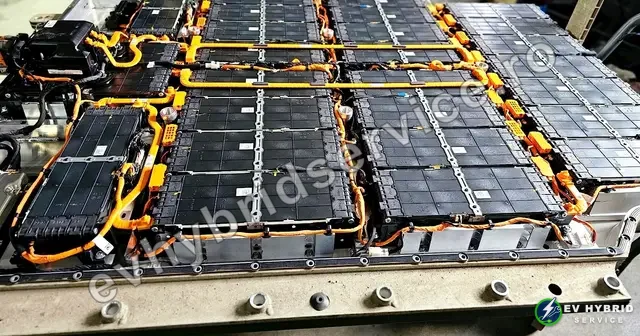
Hyundai Kona Electric losing coolant with no error on the dashboard: how we repaired the cooling circuit of the high-voltage battery
A 2024 Hyundai Kona Electric was losing a lot of fluid from the battery cooling circuit, though the dashboard showed nothing. After a hard impact, a pipe had cracked. We replaced it, sealed the small cracks, and the battery stayed on the car.
3 min read
Battery repairs
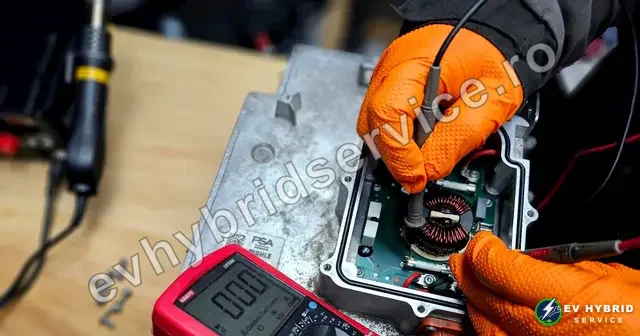
Opel Combo Electric that would no longer charge from a socket: how we repaired the on-board charger without replacing it
A 2024 Opel Combo Electric would no longer charge its battery from a socket. The culprit was the on-board charger, where one of the low-voltage electronic supplies had stopped working properly. We repaired it, and the original charger stayed on the car.
2 min read
Battery repairs
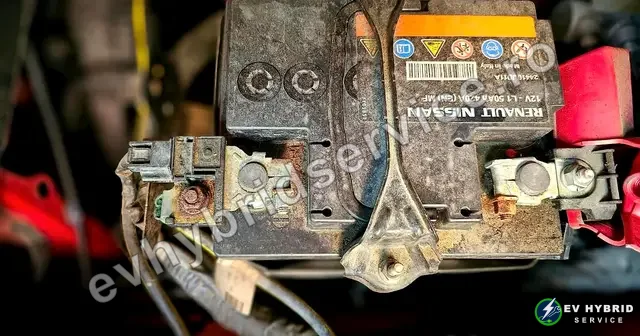
Nissan Leaf 40 kWh with communication errors and insulation faults: how we restored the 12 V supply and repaired the high-voltage insulation
A Nissan Leaf 40 kWh had errors in a chain and no longer talked to its climate system. Where it all started: the oxidised terminals of the 12 V battery. Once we restored the supply, diagnosis also turned up high-voltage insulation faults, which we fixed.
2 min read